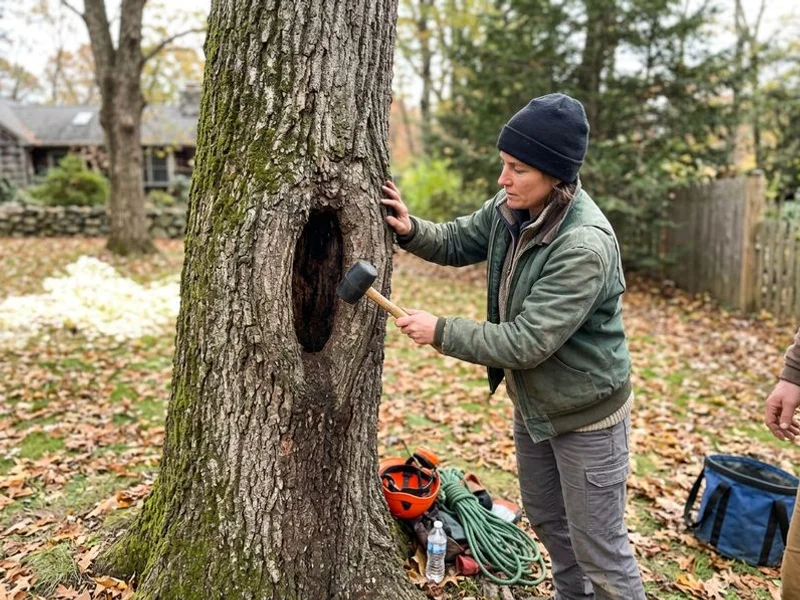
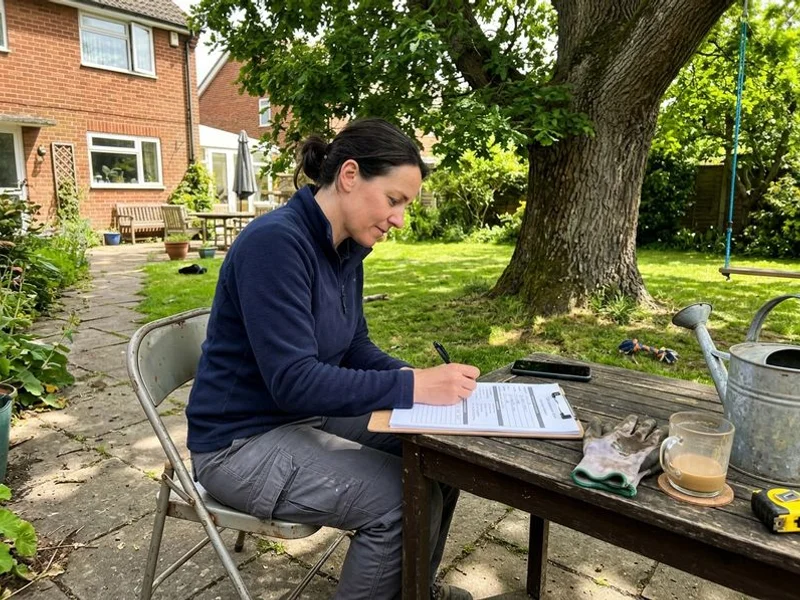
Our Crews Complete Tree Risk Assessment Qualification (TRAQ) Training
Westchester Tree Pros has completed Tree Risk Assessment Qualification (TRAQ) training — strengthening how we evaluate hazardous trees and protect Westchester properties.
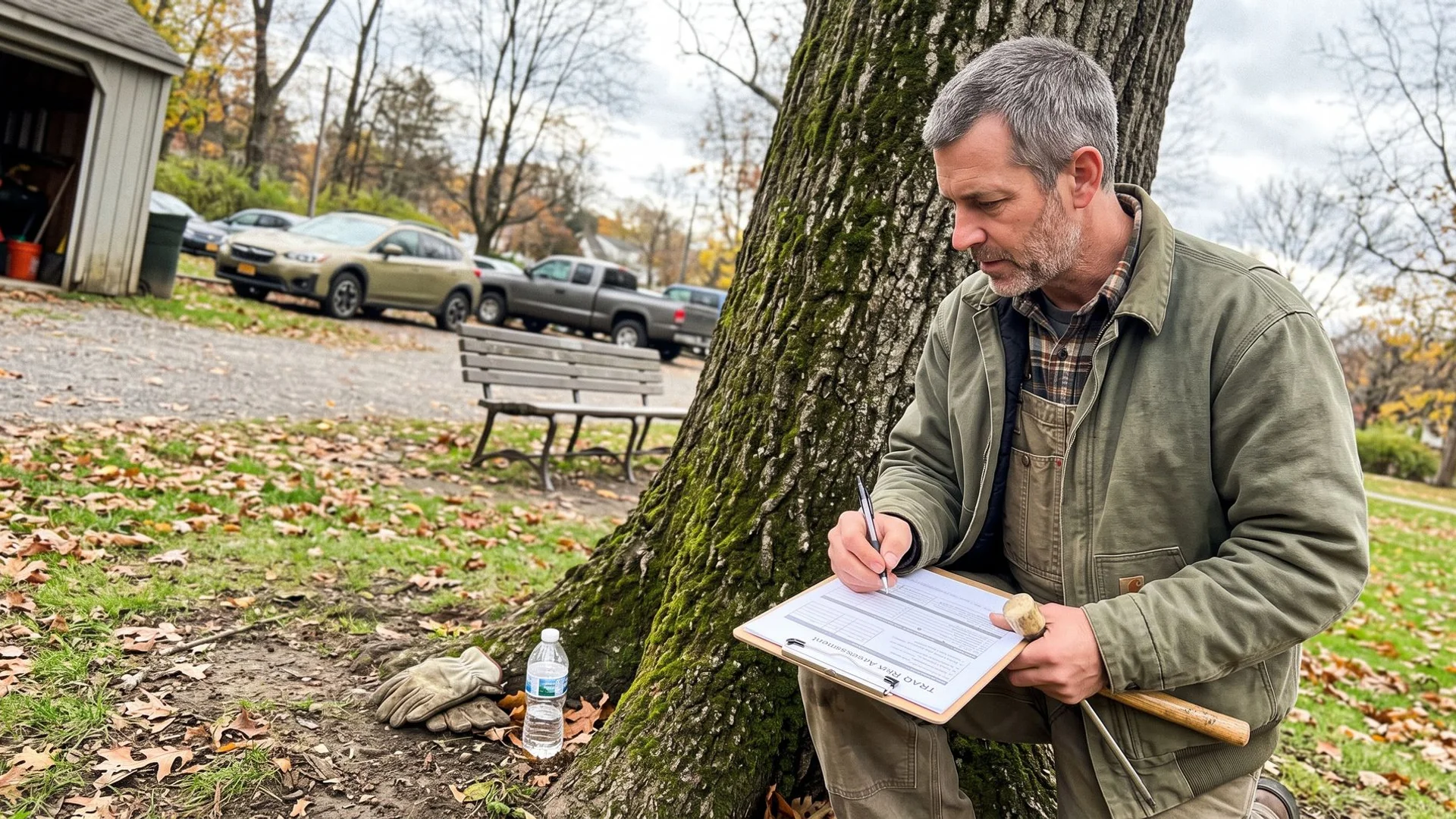
What TRAQ Means for Westchester Homeowners
This spring, our lead arborists completed the ISA’s Tree Risk Assessment Qualification — TRAQ. It’s a structured methodology for evaluating tree failure risk, and for a family-owned crew like ours, it’s a meaningful upgrade to how we assess questionable trees.
What TRAQ Actually Does
TRAQ isn’t a gut call. It’s a documented process:
- Identify the target — what would the tree hit if it failed? (structure, walkway, driveway, road, neighboring property)
- Assess likelihood of failure — based on defect type, extent, and history
- Assess likelihood of hitting the target — factors in wind exposure, target occupancy, and setting
- Assess consequences — property value, life-safety, disruption
- Rate overall risk — low, moderate, high, or extreme
The output is a rating you can act on: monitor, mitigate (pruning, cabling), or remove.
Why It Matters in Westchester
Westchester’s mix of mature trees, tight residential lots, and older housing stock creates a lot of gray-area tree calls. “Is this leaning oak on my Scarsdale property actually dangerous, or just old?” TRAQ gives us a defensible answer instead of a shrug.
For homeowners, that means fewer removals of trees that could safely stand (with a little cabling or monitoring), and clearer justification when a tree really does need to come down. For HOA and municipal clients, that means insurance-grade documentation on risk ratings across a property portfolio.
Not the First Certification, Not the Last
Our crews have been aerial-rescue trained and OSHA-compliant since day one. First aid and CPR are standard on every truck. TRAQ adds a more formal diagnostic layer to how we approach tree health assessments and structural risk decisions.
What This Changes for You
Nothing about our pricing, response times, or service coverage changes. What changes is the depth of documentation you get on a hazard assessment — and the confidence behind our recommendations.
To book a certified arborist assessment or ask about our approach, call 914-907-4131.
Related: when to call a certified arborist, signs a tree is dangerous.